Showing posts with label autumnal equinox. Show all posts

Monday, September 20, 2010

More on Mabon

Thinking about working a little magick for Mabon? This is an especially appropriate time to work spells for protection, wealth and prosperity, security and self-confidence. For a simple ritual incense burn freshly dried and ground sage, or if you're a little more motivated, use this wonderful incense recipe which will help you become attuned with the changing of the season and the darkening of the light:

2 parts Frankincense
1 part Sandalwood
1 part Cypress
1 part Juniper
1 part Pine
a few drops Oakmoss essential oil
1 small pinch of pulverized, dried oak leaf

Grind all ingredients fairly fine, add the essential oil, mix well, and burn on a charcoal in a censer.


If you prefer to work with gemstones, there are a few that are associated with this sabbat. Use them on your altar, wear them as jewelry, or carry them in a sacred medicine bag while you walk in the golden yellow woods and honor the aging Goddess.

Carnelian. A red form of chalcedony, carnelian has been worn since ancient Egypt. Worn by those who tend to be shy, it bolsters courage and instills the wearer with self-confidence, as well as protecting them from negative outside influences.

Lapis Lazuli. Another ancient stone, lapis is an uplifting stone that promotes spirituality and enhances psychic awareness. This stone also confers protection to its wearer, keeping them safe both physically and psychically.

Sapphire. Used by those in ancient Greece, the sapphire is potent in aiding meditation, in spells for defensive magick and in attracting money. Wear a sapphire to expand your wisdom, promote a sense of peace and well-being within you, and to keep evil spirits at bay. A necklace or bracelet made of sapphires will attract money to its wearer.

Yellow Agate. Agate is a stone of quiet courage and strength, as well as protection. In ancient Rome, an agate ring was worn on the left hand to ensure the favor of those deities responsible for a bountiful harvest. Wear agate or use it on your altar in protection spells and rituals to be free of negative energy.

Incense recipe courtesy of the late, great Scott Cunningham.
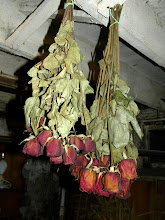
Photo courtesy of Markles55 on flickr.

Sunday, September 19, 2010

A Bit About Mabon

Is it really Mabon again? Egads, the year flies by, doesn't it? After another summer of intense heat, which is really not to my liking, we are again at that point on the Wheel of the Year where I come alive once more. Autumn is most definitely my season, which is not surprising really as I am a deeply introverted person who spends a great deal of time inside her own head. So it makes perfect sense that I would thrive in that portion of the Earth Wheel where things are becoming quiet and resting within themselves for the dark of winter. Samhain is my favorite sabbat of the year, but Mabon can sort of be viewed as the "gateway" to Samhain, and that's good enough for me.

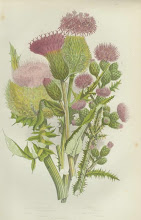
Mabon, a lesser sabbat, is also known as the Second Harvest Festival (after Lammas). It represents the balance between the darkness and the light; of perfect equality. The foods of Mabon are corn, potatoes, nuts, apples and onions. Bread is, of course, a must. The traditional herbs of this sabbat are thistle, tobacco, myrrh, marigold (to symbolize the last of the bright light) and sage, which should be burned at any rituals. Not surprisingly, the symbols of this sabbat are what we see on every farm stand we pass in our daily travels: gourds, pumpkins, apples, pine cones, and corn stalks. The pomegranate is an important food and decoration for feasts and altars alike, symbolizing fertility, abundance and equanimity.

This is a sabbat of the solitary and the mysterious. Not sure what to do to celebrate? Try making some homemade wine, or take a walk alone in the woods while gathering dried seeds, leaves, branches and berries. You can use these to adorn your house and your altar. Alternately, you can take some of what you have gathered and visit the graves of loved ones now passed and decorate their headstones with the pinecones, leaves and berries, honoring those who have gone before you as a prelude to Samhain. Bake a loaf of bread- even a quick bread of fruit and nuts is nice- and break a slice into pieces, scattering it outdoors (preferably in the woods or on a harvested field, if possible) as an offering to the Goddess who has now matured into the Crone, as well as to give one last thanks for this past season of abundance. In doing this, you'll also be feeding some hungry wildlife on these first few cooler days and nights.

Whatever you choose to do to celebrate this little sabbat, take a moment to reflect on your life and the passing of another season, another year. Dive into the quiet of your mind for a spell, and revel in the last of the light while welcoming the gentle darkness that is quickly coming.

Photo Courtesy of Linder Rox on flickr.

Sunday, October 4, 2009

Full Harvest Moon

Tonight's moon, that which falls closest to Mabon and the autumnal equinox, was named as such because it's frequently bright enough to work by, thus allowing farmers to continue their harvesting even after the sun goes down. Crops now ready for gathering are the last corn of the season, squashes and wild rice (which I have to admit I'm not such a big fan of!).

Due to the seasonal tilt of the earth at this time of year, the Harvest Moon often looks more colorful and unique than any other full moon during the year. I love to look up and see my beloved moon sporting shades of golden red or orange. Not only is it beautiful to look at on its own, but it's in perfect keeping with all the colors the earth is wearing at this time of year and to me it lends an even more fall feel to this season.

Sometimes this moon is known as the Hunter's Moon, but that isn't completely accurate. The Harvest Moon is always the moon closest to the equinox, but only up until October 13 and no later. If the full moon falls later than that, it's then called the Full Hunter's Moon, which is always the moon after the Harvest Moon. Today's moon is also known as the Kindly Moon, the Blackberry Moon, and courtesy of the Sioux Nation, The Moon When Quilling and Beading is Done. The neo-pagan name for this moon is the Blood Moon.

If you're out tonight Drawing Down the Moon or even just taking a moment to enjoy the crisp night air, be sure to first bathe yourself in the beauty of autumn's splendor above your head and enjoy one of the most beautiful moon's of the lunar year.

Peace.

Tuesday, September 22, 2009

Mabon

Blessed be to everyone who today is celebrating Mabon on this lovely (or in my case, not so lovely weatherwise, as it's about to rain) fall day. It's officially autumn! The days will now grow shorter and the nights longer, and as a night person who thrives on darkness and the moon, I'm now coming into the time of the year when I feel most energized and alive.

I've been feeling the Mabon vibe for a couple of weeks as I've been working to put my yard to bed for the colder months, cutting back the unsightly plants that have completed their life cycles for this year and marveling at those who are just beginning to come alive as the season ends. The trees haven't turned yet, but there have been a few leaves here and there that are showing their glorious colors of red, yellow and orange. And every time I leave my house I drive by farm stands selling apples, pumpkins and gourds and I itch to stop and buy a car full of everything they're selling.

I celebrated today very quietly, with a simple circle to give thanks for all I have been blessed with. I would have preferred to honor the equinox tonight, but as I won't be home I grabbed the only time I had and it was still quite sweet, if not dark. I made oat cakes last night for an offering, not only because they're made from harvest grains, but because I felt it appropriate to offer something old, something that has been feeding people for millennia. I like the idea that people were eating these when the Romans were subjugating most of the world. There's something very earthy about using a recipe that's that old. I also finally got around to consecrating my cauldron. I didn't intentionally hold onto it until now, but as this is a day with much meaning for me, it felt appropriate to ritually prepare it during this circle. It's now ready for its inaugural use on Samhain, my favorite sabbat on the wheel!

This is the recipe for the oat cakes. It's been tweaked a little by me, in the interest of making it contemporary and simple. After all, we aren't going to be pounding the grains by hand, nor will we be slaughtering our pigs for lard and then slaving over our hearths as we cook our cakes on a iron griddle in the flame. They still taste delicious and are nice and crunchy, as any self-respecting oat cake should be. They can be used, really, for any sabbat, not just the harvest ones. Enjoy!

Traditional Oat Cakes makes approximately 48 3" cakes

3 cups rolled oats (not minute or quick)
3 cups flour
1 cup brown sugar, firmly packed
1 teaspoon baking soda
1 teaspoon salt
1 cup butter, slightly melted
2/3 cup cold water, approximate

Preheat oven to 350f degrees. Grease a baking sheet.
Combine the oats, flour, sugar, soda and salt. Mix well. Add butter and stir till blended. Mixture will be crumbly. Add the water a little at a time. The dough should be moist enough to form into a ball but not so moist as to be very sticky. It should hold its shape nicely, like a cookie dough used for rolling. Roll dough onto a well-floured surface to 1/4" thick. Cut into 3" circles with a cutter and place on sheet. Bake for 15 minutes or until lightly golden in color. Cool and store in an airtight container.

Enjoy!

Friday, August 28, 2009

A Hearty Tomato Soup

We're diehard soup lovers here in our house and what better way to use some of the most abundant vegetables of this time of year than in a hearty soup, and in doing so honor the bounty of the harvests that occur between Lammas and Mabon? And as the evenings grow cooler, a hot bowl of soup and a thick slab of bread not only feeds the tummy, but the soul as well.


Delicious Tomato Soup makes 4-6 good size servings

2 28 or 35 ounce cans of organic whole peeled tomatoes
a couple of fresh ripe tomatoes, cut into wedges (optional)
1/2 cup extra virgin olive oil
2 tablespoons fresh thyme leaves
2 tablespoons minced garlic
2 medium carrots, finely diced
2 small onions, halved and thinly sliced
2 quarts (8 cups) water or stock
1/2 cup chopped organic parsley
salt and freshly ground black pepper to taste

Heat oven to 375f degrees. Drain tomatoes and reserve the liquid. Halve canned ones and put those and the fresh (if using them) in a roasting pan. Sprinkle with 1/4 cup of the olive oil, toss, add the thyme and roast. Turning them once or twice, roast for about 30 minutes. If they begin to dry out or stick, add a bit of the tomato liquid as needed.

Put the remaining olive oil in a deep skillet or medium saucepan over medium high heat. Add the garlic and cook just until it begins to color, in a minute or so. Add the carrots and onions and cook, sprinkling with the salt and pepper, stirring for about five minutes. Stir in the stock or water, along with the contents of the roasting pan and the reserved tomato juice.

Turn the heat to high and bring the soup to a boil, then lower the heat so it bubbles gently. Cover and cook until the vegetables are very tender, about 20 to 30 minutes. Garnish with the parsley and serve.

This is an amazingly vivid-colored soup, vibrant with the reds, golds and oranges of autumn and Mabon and it tastes delicious. Serve it with a loaf of buttery rich homemade corn bread and you have a simple, yet perfect, meal for this time of year. Enjoy and rejoice in the impending arrival of the Great Harvest and the autumnal equinox.